
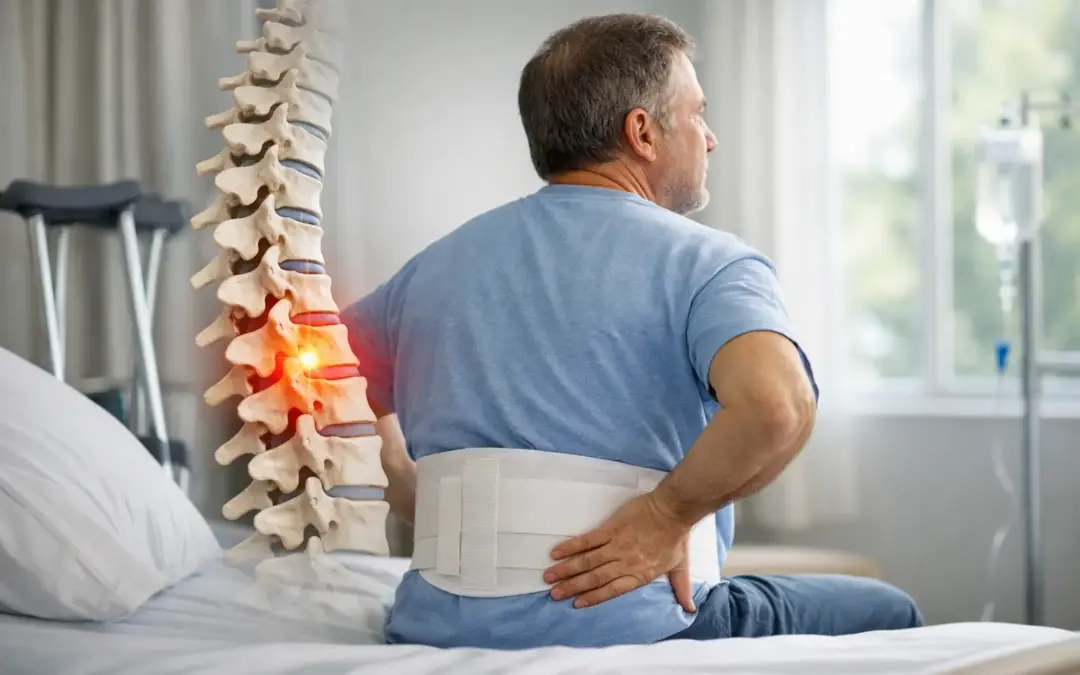
Pain that shoots down a leg, numbness in a hand, or weakness that makes walking uncertain can make surgery feel urgent. Yet before choosing treatment, most patients want a practical answer about spinal decompression surgery recovery time: How soon can I walk, sleep comfortably, travel, return home, and trust my body again?
The honest answer is that recovery is not one fixed calendar. A small lumbar discectomy and a multilevel cervical decompression are very different operations. If decompression is performed with fusion or stabilization, bone healing and activity restrictions usually extend the timeline. Your surgeon’s findings, the nerves involved, your overall health, and the demands of your work all matter.
For many patients, however, the first meaningful milestone happens quickly: getting out of bed safely and walking with support, often on the day of surgery or the next morning. Recovery then progresses in stages, with careful movement and close follow-up protecting the surgical result.
What spinal decompression surgery is designed to treat
Spinal decompression relieves pressure on the spinal cord or nerve roots. That pressure may come from a herniated disc, bone spurs, spinal stenosis, thickened ligaments, arthritis, or a narrowed opening where a nerve exits the spine.
Depending on the diagnosis, surgery may involve removing part of a disc, trimming bone or ligament, widening the spinal canal, or opening the nerve passageway. Common terms include discectomy, laminectomy, laminotomy, and foraminotomy. In selected cases, a surgeon may recommend motion-preserving treatment or stabilization rather than a conventional fusion, based on the level treated, spinal alignment, instability, and the condition of the discs and joints.
Decompression can reduce the mechanical pressure on a nerve immediately. Nerves, however, do not always recover immediately. Pain caused by compression may improve soon after surgery, while numbness, tingling, or weakness may fade gradually over weeks or months. When a nerve has been compressed for a long time, some symptoms may not fully resolve. That is why realistic expectations are part of good surgical planning.
Spinal decompression surgery recovery time by stage
The first 24 to 72 hours
Hospital stay varies by procedure and medical needs. Many minimally invasive decompression procedures require an overnight stay, while more extensive surgery may require several days of observation. The clinical team monitors pain control, leg or arm strength, sensation, walking, bladder function, and the incision.
Early movement is a priority. Short, assisted walks help circulation, reduce stiffness, and build confidence. You may feel tired, sore around the incision, and guarded with movement. Muscle spasm and changes in sleep are common during these first days.
For cervical procedures, some patients have a sore throat or swallowing discomfort for a short period. For lumbar procedures, getting in and out of bed and sitting for long stretches can be uncomfortable. Your team will show you how to move without unnecessary twisting, bending, or strain.
Weeks 1 and 2: Protect the repair while rebuilding routine
During the first two weeks, walking is usually the central activity. Several short walks are generally better tolerated than one long outing. Patients are often encouraged to avoid lifting, repetitive bending, twisting, strenuous housework, and prolonged sitting unless their surgeon gives different instructions.
Many people can manage basic personal care and light activity during this period, but they should expect help with luggage, errands, meal preparation, and transportation. Prescription pain medicine may be needed briefly, then reduced as tolerated under medical guidance. Constipation can occur after surgery because of anesthesia, reduced movement, and certain pain medications, so hydration, nutrition, and the postoperative plan matter.
The incision should be kept and cared for exactly as directed. Do not assume that a small incision means the spine is fully healed. Minimally invasive surgery can reduce tissue disruption, but the internal healing process still needs time.
Weeks 3 through 6: A more functional phase
By this stage, many decompression patients are walking farther, using less pain medication, and feeling more comfortable with daily routines. Desk-based work may be possible for some patients within two to six weeks, especially if they can alternate sitting, standing, and brief walks. Jobs that involve driving, lifting, climbing, or physical labor generally require more time.
Physical therapy may begin or progress during this period if it is part of the surgeon’s plan. The goal is not to push through pain. It is to restore controlled mobility, posture, core support, and safe body mechanics without irritating healing tissues.
It is also normal for recovery to feel uneven. A patient may have several good days followed by soreness after doing too much. A gradual approach is usually more productive than trying to return to pre-surgery activity all at once.
Two to three months: Returning to broader activity
After a straightforward decompression without fusion, many patients can return to a wider range of low-impact activities by two to three months, with clearance from their surgeon. This may include longer walks, gentle conditioning, and more normal community activity.
If fusion or more extensive stabilization was necessary, recovery is usually longer because the body must heal around the instrumentation and, in fusion cases, form a stable bone bridge. Return-to-work timing may range from several weeks for sedentary duties to several months for physically demanding work. Follow-up imaging and examinations help the surgeon decide when activity can advance safely.
Why one patient recovers faster than another
Age alone does not determine outcome. A healthy older adult with a focused nerve compression may recover more smoothly than a younger person with diabetes, smoking exposure, severe deconditioning, multiple spinal levels treated, or longstanding nerve damage.
The factors that most often shape recovery include the type and extent of surgery, whether fusion or stabilization is performed, preoperative nerve damage, bone quality, body weight, nutrition, smoking status, and how closely postoperative restrictions are followed. Emotional health matters, too. Chronic pain can make patients understandably cautious or fearful of movement. Clear guidance and supportive follow-up can make it easier to rebuild trust in the body.
Travel planning after decompression surgery
For international patients, recovery planning should begin before the operation. Flying too soon after surgery can be uncomfortable and may not be appropriate, particularly after a more complex procedure. The right time to travel depends on the operation, wound status, mobility, pain control, risk factors for blood clots, and the surgeon’s assessment.
A safe plan includes staying locally long enough for postoperative evaluation, having transportation that does not require you to lift bags or navigate long distances alone, and knowing whom to contact after you return home. On travel days, patients may be advised to change positions often, take short walking breaks when possible, stay hydrated, and follow individualized instructions for compression garments or medications.
At Spinal Surgery Mexico, coordinated postoperative recovery in San Miguel de Allende is designed to give international patients a supported setting for rest, monitoring, transportation assistance, and follow-up before they begin the journey home. That level of planning can be especially valuable when surgery has already limited a patient’s mobility or independence.
Warning signs that need prompt medical attention
Some discomfort is expected, but new or worsening symptoms should never be dismissed as “just recovery.” Contact your surgical team promptly or seek urgent care for:
- Fever, chills, wound redness that spreads, drainage, or increasing incision pain
- New weakness, worsening numbness, or severe pain that is not controlled by the prescribed plan
- Loss of bladder or bowel control, or numbness in the groin or saddle area
- Chest pain, shortness of breath, coughing blood, or one-sided calf swelling
- Severe headache, confusion, fainting, or difficulty swallowing or breathing after cervical surgery
Keep all scheduled follow-ups, even when you feel well. These visits allow the surgeon to assess nerve recovery, wound healing, medication needs, and readiness for the next phase of activity.
How to support a better recovery
The most useful recovery habits are often simple: walk as directed, take medications exactly as prescribed, eat enough protein and fiber, avoid nicotine, protect sleep, and ask for help before lifting or overreaching. Do not compare your day 10 to someone else’s day 10. Compare it to your own progress over time.
Before surgery, ask your surgeon what procedure is planned, whether fusion or stabilization could become necessary, how long you should stay near the hospital, and what milestones must be met before travel and work. A clear recovery plan does more than organize your calendar – it gives you a safer, more confident path back to movement and daily life.