
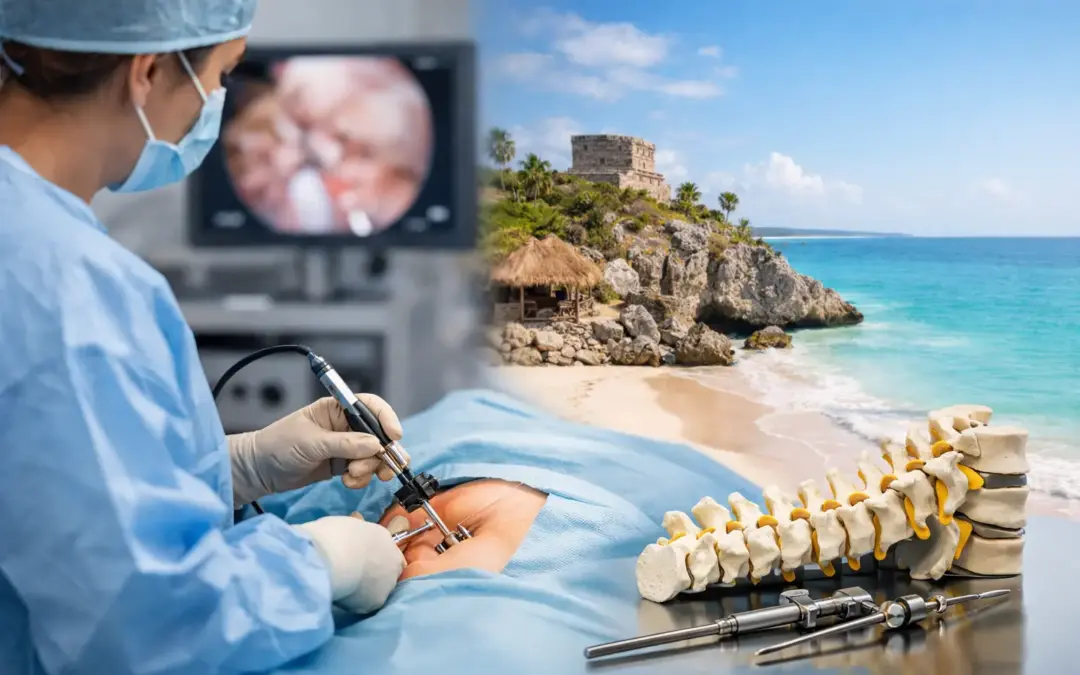
A pinched nerve can make ordinary life feel smaller by the day. Walking through a grocery store, sitting at work, turning your head while driving, or sleeping through the night may become difficult when neck or back pain is paired with weakness, numbness, or shooting pain down an arm or leg. For patients who have exhausted conservative care, minimally invasive spine surgery Mexico may offer a more accessible route to specialist treatment without treating an international procedure as a casual decision.
The goal is not simply to make an incision smaller. The goal is to address the precise cause of spinal compression, instability, or disc-related pain while minimizing unnecessary disruption to healthy muscle and tissue. When it is clinically appropriate, this approach can support less postoperative discomfort, shorter hospital stays, and a more manageable recovery than traditional open surgery. But the right procedure always depends on the diagnosis, the condition of the spine, and the patient’s overall health.
What Makes Spine Surgery Minimally Invasive?
Traditional open spine surgery may require the surgeon to move larger areas of muscle and soft tissue to reach the affected level of the spine. In a minimally invasive approach, the surgeon uses specialized imaging, small access points, and carefully placed instruments to work through a narrower surgical corridor.
This may be used for procedures involving the cervical spine in the neck or the lumbar spine in the lower back. Depending on the condition, surgery may focus on removing pressure from a nerve, stabilizing an unstable spinal segment, treating a damaged disc, or replacing a diseased cervical disc with an artificial disc designed to preserve motion.
Smaller access points are meaningful, but they are not a promise of an easy recovery or a substitute for surgical skill. Spine surgery is still major medical care. The quality of diagnosis, surgical planning, implant selection, hospital standards, anesthesia, and follow-up monitoring all matter just as much as incision size.
When Is Minimally Invasive Spine Surgery Mexico Appropriate?
A surgical recommendation should begin with the symptoms and the imaging, not with a preferred procedure. MRI, CT, X-rays, neurological findings, prior treatments, and the patient’s medical history help determine whether minimally invasive treatment is possible and whether surgery is likely to address the source of symptoms.
Candidates may include people with herniated discs causing nerve compression, spinal stenosis, degenerative disc disease, spondylolisthesis, lumbar instability, or certain cervical conditions that cause radiating arm pain, weakness, or loss of function. A patient may have tried medication, physical therapy, injections, activity modification, or other nonsurgical measures without meaningful relief.
Not every spinal problem can or should be treated through a minimally invasive technique. Severe deformity, extensive multi-level disease, prior surgery with significant scar tissue, advanced instability, infection, fracture, or certain complex neurological conditions may require a different approach. In other cases, the most appropriate treatment may still be nonsurgical. A trustworthy surgical opinion explains why a recommended procedure fits the anatomy and why alternatives may be less suitable.
Decompression, Stabilization, Fusion, and Motion Preservation
These terms are often grouped together, but they describe different goals. Decompression removes pressure from nerves or the spinal cord. It may involve removing a portion of bone, thickened ligament, or disc material that is narrowing the spinal canal or nerve pathway.
Stabilization addresses abnormal movement between vertebrae. This can involve implants that support a painful or unstable spinal segment. Fusion is one form of stabilization, intended to join vertebrae together over time. It can be highly effective when fusion is medically necessary, but it also eliminates motion at that level.
For selected cervical patients, artificial disc replacement may be a motion-preserving alternative to fusion. Rather than permanently joining two vertebrae, the damaged disc is replaced with an implant intended to maintain movement at the treated level. It is not appropriate for every patient. Facet joint condition, alignment, instability, bone health, the number of affected levels, and the exact nature of the disc disease all influence candidacy.
The most meaningful question is not whether one procedure is universally better than another. It is whether the procedure matches the patient’s spine, functional goals, and long-term needs.
The Advantages and Trade-Offs to Understand
Minimally invasive techniques can reduce the amount of tissue disruption required to reach the spine. Many patients value the potential for less blood loss, reduced muscle trauma, shorter hospitalization, and earlier movement under medical guidance. For international patients, a carefully planned recovery period can also make travel home more manageable.
However, recovery timelines vary. A patient undergoing a focused lumbar decompression may recover differently than someone receiving multi-level cervical disc replacement or lumbar stabilization. Pain relief may be immediate for some nerve-related symptoms, while irritated nerves can take weeks or months to recover. Numbness and weakness may improve gradually, particularly when compression has been present for a long time.
There are also real surgical risks to discuss, including infection, bleeding, blood clots, anesthesia complications, spinal fluid leak, nerve injury, implant-related issues, incomplete symptom relief, or the need for additional treatment. No responsible surgeon can guarantee a particular outcome. What patients deserve is a clear explanation of the anticipated benefit, the known risks, and the plan if recovery does not follow the expected course.
Choosing Care Beyond the Operating Room
Traveling for spine surgery can be a sensible decision for self-pay patients facing high out-of-pocket costs, insurance limitations, or lengthy wait times at home. Yet the value of treatment should never be measured by the surgical quote alone. A lower price means little if patients are left to arrange transportation, communication, medications, lodging, or postoperative care on their own.
A strong medical-travel plan connects the clinical and practical parts of recovery. Before surgery, patients need their records reviewed, questions answered in English, and a realistic understanding of travel timing. During treatment, they need an experienced surgical team and a hospital equipped for their procedure. After discharge, they need an environment that supports rest, mobility guidance, medication management, and ongoing monitoring.
At Spinal Surgery Mexico, care coordination is designed around this full journey. Patients can consult with Dr. Mario Salmon, a board-certified neurosurgeon with decades of experience, while receiving assistance with travel planning, hospital arrangements, financing access, and supervised recovery in San Miguel de Allende. This structure is particularly valuable when a patient is traveling with a spouse, adult child, or friend who also needs clarity and support.
Questions Worth Asking Before You Commit
Patients considering surgery abroad should expect direct answers. Ask who will perform the operation and what qualifications they hold. Ask which hospital will be used, what the surgical package includes, and which costs could fall outside the quoted price. Ask whether the surgeon recommends decompression, fusion, stabilization, or disc replacement, and why that option fits your specific imaging.
It is also wise to ask about the expected length of stay, restrictions on sitting and lifting, pain management, physical activity after surgery, follow-up communication after returning home, and when it is safe to fly. If a program cannot explain its plan for complications or unexpected changes in care, that is a reason to pause.
Preparing for a Better Recovery Experience
Recovery begins before surgery. Patients can help protect their outcome by providing complete medical records, including prior imaging reports, operative reports, medication lists, allergies, and relevant health conditions. Nicotine use, uncontrolled diabetes, osteoporosis, sleep apnea, blood-thinning medications, and heart or lung conditions can affect surgical planning and should be discussed openly.
It also helps to arrange the home environment before travel. A clear walkway, easy-to-reach essentials, prepared meals, and reliable help during the first days home reduce avoidable strain. Your care team should provide individualized instructions, but patients generally benefit from short, frequent walks, careful pacing, proper hydration, and avoiding movements or lifting restrictions that could compromise healing.
The right path forward is one that gives you confidence in both the procedure and the people guiding you through it. If pain, weakness, or lost mobility has taken too much from your daily life, a thoughtful surgical consultation can help you understand what may be possible and what it will truly take to recover well.